
Righteous Tee Explained Outfit Pairing Ideas
Maintaining Your Righteous Clothing: A Complete Handbook
Wash after wash, what happens after checkout determines whether a garment becomes a closet favourite or a regret shoved to the back of a drawer—buying it is just the beginning. This walkthrough runs through straightforward, sensible upkeep tips for anyone who owns or is considering pieces from We Are Righteous, a brand that has built its name on heavyweight cotton, deliberate craftsmanship, and streetwear silhouettes built to outlast a single season’s hype. If a righteous review or two crossed your path pre-purchase, you’ll have noticed the fabric quality is frequently highlighted. This piece takes over from there, centring on the care side of things: how to clean, dry, store, and repair your pieces so they stay looking as good as new.
Why Care Instructions Matter More Than People Think
It’s not bad manufacturing that ruins most clothing; it’s neglectful aftercare. Heat, agitation, and harsh detergents are responsible for the lion’s share of premature colour loss, shrinkage, and fabric breakdown seen in day-to-day clothing collections. A 2025 industry survey on garment longevity found that over 60% of reported quality complaints traced back to incorrect washing temperatures rather than factory-side errors. This is relevant because Righteous clothing, especially the heavyweight hoodies and fleece pieces, is made with dense cotton blends engineered to retain their form and hue over time, but only if handled the right way.
Here’s a useful comparison: a 400gsm cotton hoodie performs very differently in the wash than a lightweight 180gsm tee. The denser the material, the more moisture it soaks up, the longer righteous.us.com/t-shirts the drying time, and the more care heat exposure requires. Ignoring this nuance is often exactly why people feel disappointed by pieces that were, in fact, made to a high standard. With this label’s pieces, care is no afterthought — it’s part of the investment.
Washing Your Righteous Hoodie the Right Way
The righteous hoodie has grown into something of a hallmark item for the label, warranting its own dedicated care notes. Turn it inside out before washing. This single step protects any printed or embroidered branding from friction damage against zippers, buttons, or other garments in the load. Launder in cold water, preferably 30°C to 40°C, with a gentle detergent that skips optical brighteners, since these can fade dark colourways over time.
Don’t overfill the washing machine. A stuffed drum means less water circulation, more creasing, and uneven detergent distribution, all of which accelerate wear on heavyweight fleece.
Do without fabric softener entirely. It coats cotton fibres with a filmy residue that diminishes breathability and can make printed graphics peel faster. For those wanting a softer hand-feel, a wool dryer ball or an extra rinse cycle gets the same result without the chemical downside. Separate dark and light garments when washing for at least the first four-to-five washes, since that’s generally when the minor residual dye release occurs. Once that period has passed, colour transfer risk decreases considerably.
Drying: The Most Commonly Botched Step
Tumble dryers are the worst offender of shape retention in thick cotton garments. Intense heat makes the fibres shrink unevenly, which is why hoodies so often end up noticeably shorter in the body and sleeves after just a handful of cycles. Owners of several Righteous apparel pieces should treat air drying as the go-to approach rather than a fallback.
Lay garments flat on a drying rack or a clean towel as opposed to shoulder-hanging them. Hanging heavy, wet cotton stretches the shoulder seams and can permanently warp the neckline over time. Reshape the garment while damp, flattening the cuffs, hem, and hood so it dries in its original form. In humid climates, a fan pointed at the flat-lying garment shortens drying time without causing heat-related harm. Plan for a full drying cycle of anywhere between 12 and 24 hours for heavyweight fleece, based on ambient humidity and airflow.
How to Store Pieces So Structure and Colour Last
The fold-or-hang question is a legitimate debate, and for heavy streetwear pieces, folding is generally the better choice. A hanger applies ongoing tension to shoulder seams, which over months can lead to irreversible stretching or clear hanger indentations, especially in fleece-backed fabrics. Fold hoodies and sweatshirts along their natural seam lines and stack them no more than five-to-six high to avoid crushing the bottom layers.
Make sure stored pieces avoid direct sun exposure. Sun exposure ranks among the quickest ways to fade both dyed fabric and printed graphics, and a windowsill or sun-facing shelf can visibly dull a black hoodie within a few months. A breathable cotton storage bag is a better choice than sealed plastic, which locks in dampness and can lead to damp, mildewy smells even in pieces that were thoroughly dried when stored. Rotate your wardrobe seasonally rather than wearing the same three items on repeat year-round; this alone can lengthen how long a garment stays wearable by a year or more.
Managing Everyday Damage and Stains
Prompt action makes all the difference with stains. Dab rather than scrub, and treat inside the first 30 minutes if at all possible, since oil-derived marks in particular set permanently into cotton fibres after they dry. Cold water and a small amount of dish soap deal with the most everyday marks — food, grease, dirt — without needing harsh stain removers that can strip colour patchily.
For pilling, which is common on any heavyweight cotton-poly blend after ongoing wear, a fabric shaver run lightly on a low setting restores the surface without thinning the material. Loose threads should be snipped, never pulled, since a pull could loosen a seam that was otherwise structurally sound. Should a small hole appear at a stress point such as the pocket seam or cuff, a simple whip stitch in matching thread is often enough to stop it worsening before it develops into a bigger repair job.
How Righteous Clothing Compares on Care Requirements
Not all streetwear demands the same level of attention. The table below sets out typical care requirements across three common garment weights, giving context to where Righteous clothing sits in terms of upkeep required against durability gained.
| Garment Type | Advised Washing Temp | Drying Method | Typical Lifespan With Proper Care |
|---|---|---|---|
| Lightweight cotton tee (180gsm) | 30°C | Low tumble dry, or dry naturally | 1–2 years long |
| Righteous weighty hoodie (400gsm+) | 30–40°C | Lay flat to air dry, nothing else | 3–5 years long |
| Regular fleece crewneck (280gsm) | 40°C | Dry on a low tumble setting | 2–3 years long |
Needing extra care for heavier pieces isn’t a drawback; it’s a clear pay-off for the extended wear life. A well-maintained Righteous hoodie can realistically outlast two or three lighter-weight garments bought over the same period, which alters the per-wear cost math significantly in the buyer’s favour.
Reviewer Feedback on Longevity
Look around online and you’ll find no shortage of discussion threads and a rising volume of dedicated write-ups under terms like we are righteous review or righteous review, and a pattern becomes clear fast. Buyers consistently mention the weight of the fabric and how the garments keep their form after multiple washes, even when care has been imperfect. That’s a meaningful signal. A brand that performs well even under imperfect real-world laundering conditions is one built with real attention to quality, not just advertising spin.
What sets a we are righteous review apart from generic streetwear commentary is the specificity: people talk about stitching density, hood weight, and how the fabric feels after the tenth wash rather than the first. That level of detail suggests a customer base that’s truly trialling the product over time, not just reviewing it fresh out of the box. This also strongly suggests that the we are righteous brand has built real ongoing loyalty rather than single hype-driven sales.
A Wrap-Up Summary
Maintaining apparel the right way is fairly straightforward, but it does require intention. Washing in cold water, letting garments air-dry, thoughtful storage choices, and prompt stain treatment take care of around 90% of what’s needed to maintain any piece’s sharp look for years instead of just months. For heavier pieces specifically, the reward for this modest additional effort is significant: fewer replacement purchases, colours that stay truer for longer, and a garment that continues to look and fit the way it did when you first opened the box.
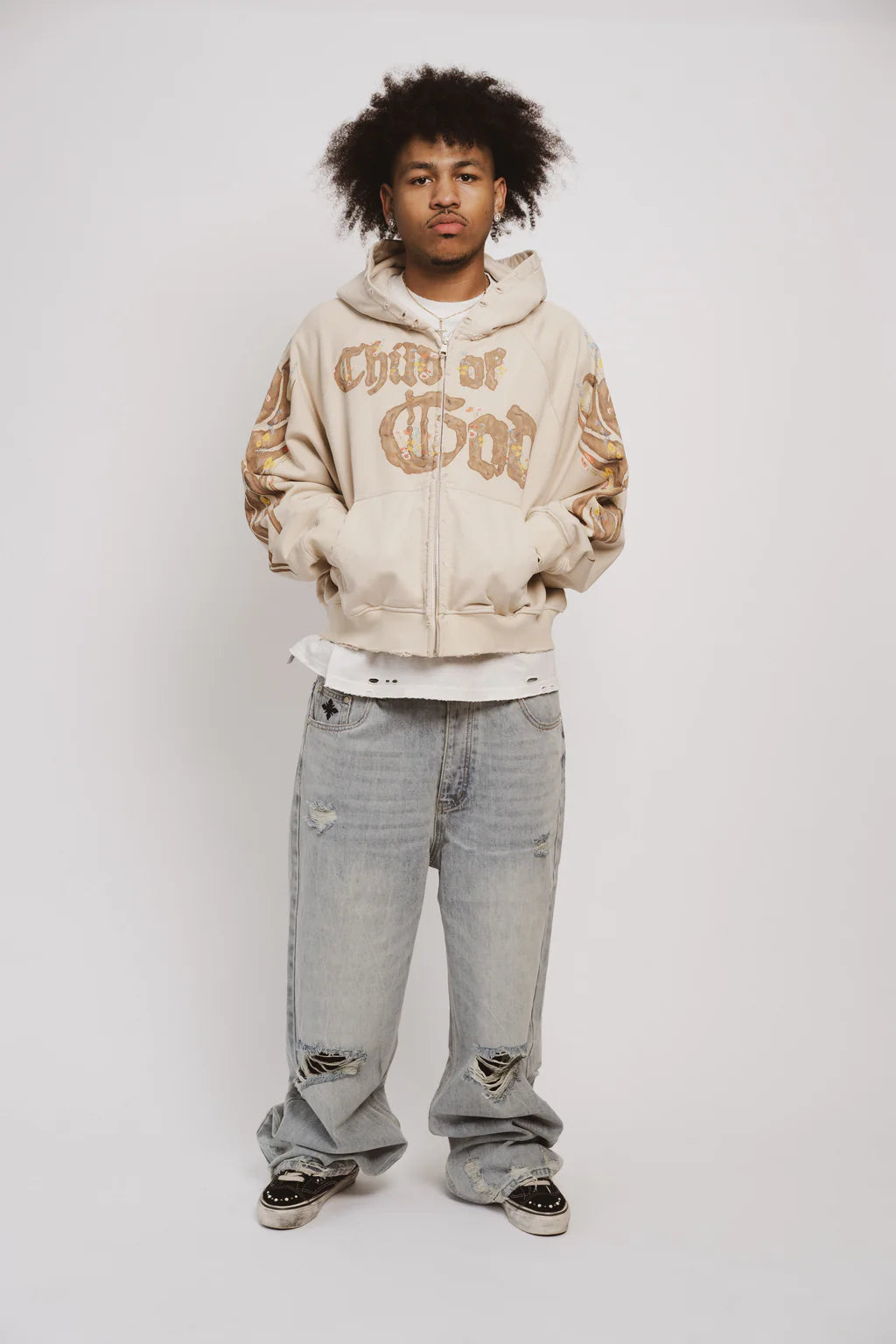
Good fabric merits proper care, and as the we are righteous brand continues to expand its range heading into 2026, these care principles will be just as relevant to future drops as the pieces available now. Handle your Righteous garments as it was meant to be cared for, and it will stay with you for the long term, not just a season.


About Post Author
